Every time another online marketplace takes a bigger slice of the photography industry, the story writes itself: instant everything, warehouses full of grey boxes, and a checkout page that no longer knows what a lens is. It's an easy narrative to believe, because most places that sell cameras genuinely have no idea what they are.
Henry's is the exception, and it has been for a very long time. The company opened its first shop on Yonge Street in Toronto in 1909 — a watch and jewelry counter run by a 19-year-old watchmaker who'd emigrated from Russia three years earlier. Photography wasn't part of the plan. It arrived half a century later, almost by accident, and turned a jewelry store into a camera store that would outlast nearly every competitor it ever had.
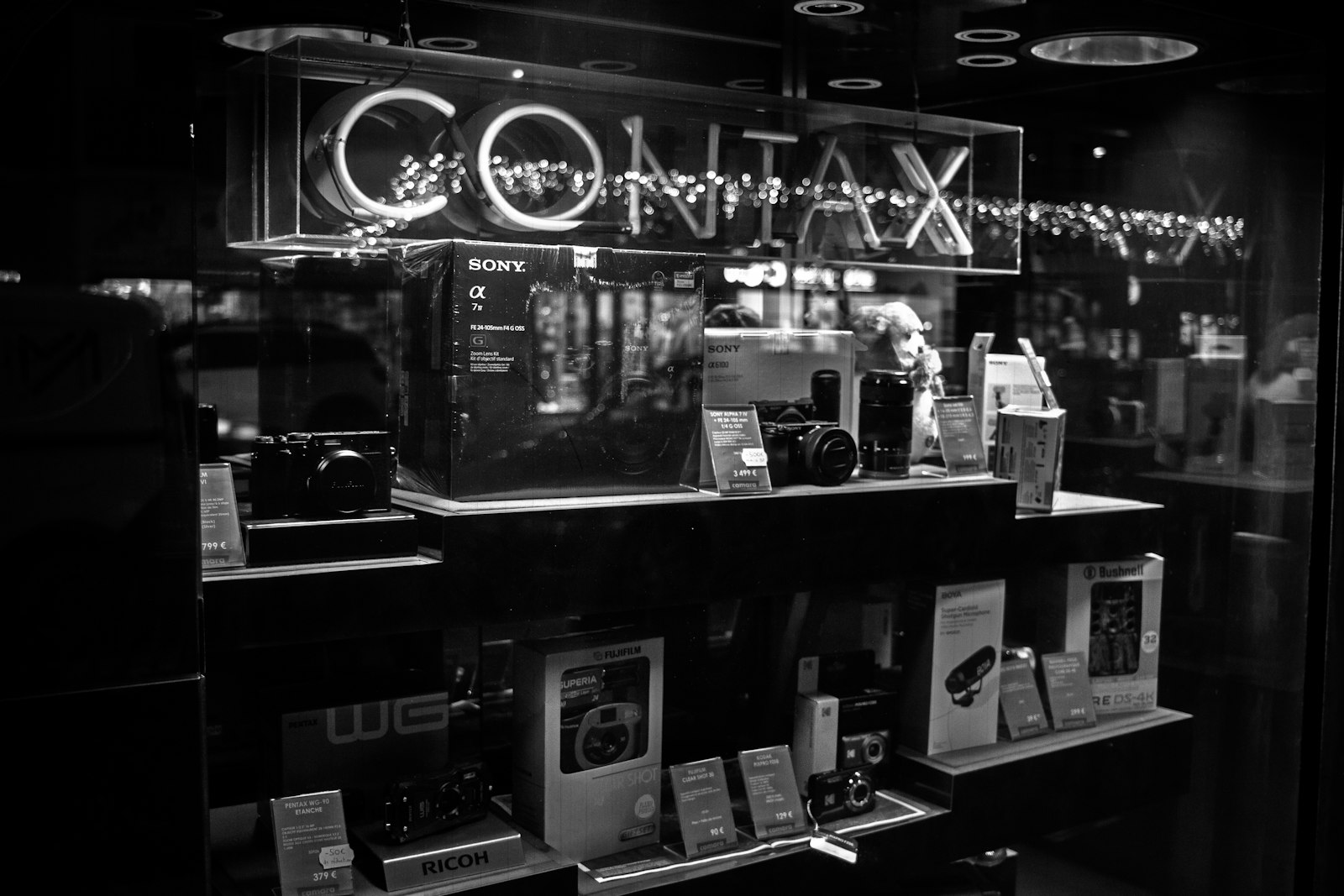
Today Henry's describes itself as Canada's largest independent photographic and digital retailer: 20 locations from coast to coast, more than 15,000 imaging products, and roughly 300 employees. In June 2023, Toronto private equity firm Lynx Equity acquired the company, though the Stein family — which has led Henry's through several generations — still runs it under the Henry's Enterprises banner. The tagline hasn't budged in all those years either: Canadian owned. Creator approved. Since 1909.
Browse the full Henry's catalog
From four rolls of 8mm film to a coast-to-coast chain
The pivot point is oddly specific. In 1959, the Stein family added photographic equipment to the existing jewelry business, starting with four rolls of 8mm film. They sold out on the first day.
By 1964, photography was doing roughly half the revenue, and the business moved to Church Street in downtown Toronto. A 1971 sale to a group of five limited companies pushed it fully into photography, and by 1974 the corporate name had changed from Henry & Company to Henry's, with the flagship at 119 Church Street — a location the store still operates from today.
The next decade nearly ended it. Henry's launched a wholesale division called Targit in 1977 and bought up photofinishing outfit Photo King, growing to six stores, but the deep early-'80s recession and punishing interest rates pushed the company into receivership on November 15, 1982. Andrew Stein, the founder's grandson, bought the business back on February 11, 1983 and rebuilt it as a single store over the following nine years.
What came next was slow, deliberate expansion: repurchasing the Church Street flagship in 1985, absorbing Steeles Camera in 1992 and Oshawa Camera in 1997, opening in Ottawa and London in 2003 and Winnipeg in 2008, and picking up Quebec retailer Lozeau to complete coast-to-coast coverage. The 2020 pandemic restructuring closed seven stores, but the Stein family retained ownership, and the chain emerged as a leaner, better-run version of itself.
There is a lesson in that history for anyone who assumes e-commerce killed camera retail. It nearly did. The survivors are the ones that made the physical store worth driving to.
What Henry's actually sells
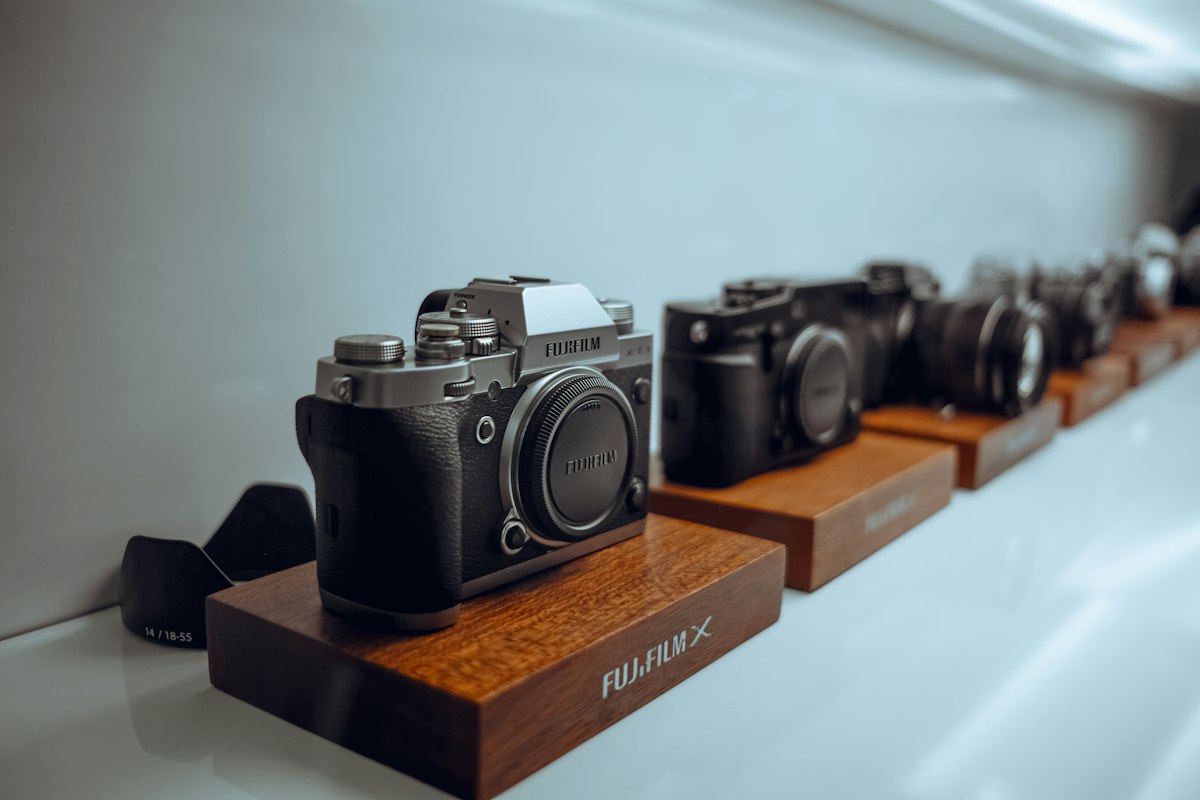
The product mix is broader than "cameras and lenses," which is where most shoppers first underestimate them. Alongside the obvious Canon, Nikon, Fujifilm, OM System and Sony bodies, Henry's runs deep categories for the parts of the business that rarely get shelf space at the big US retailers:
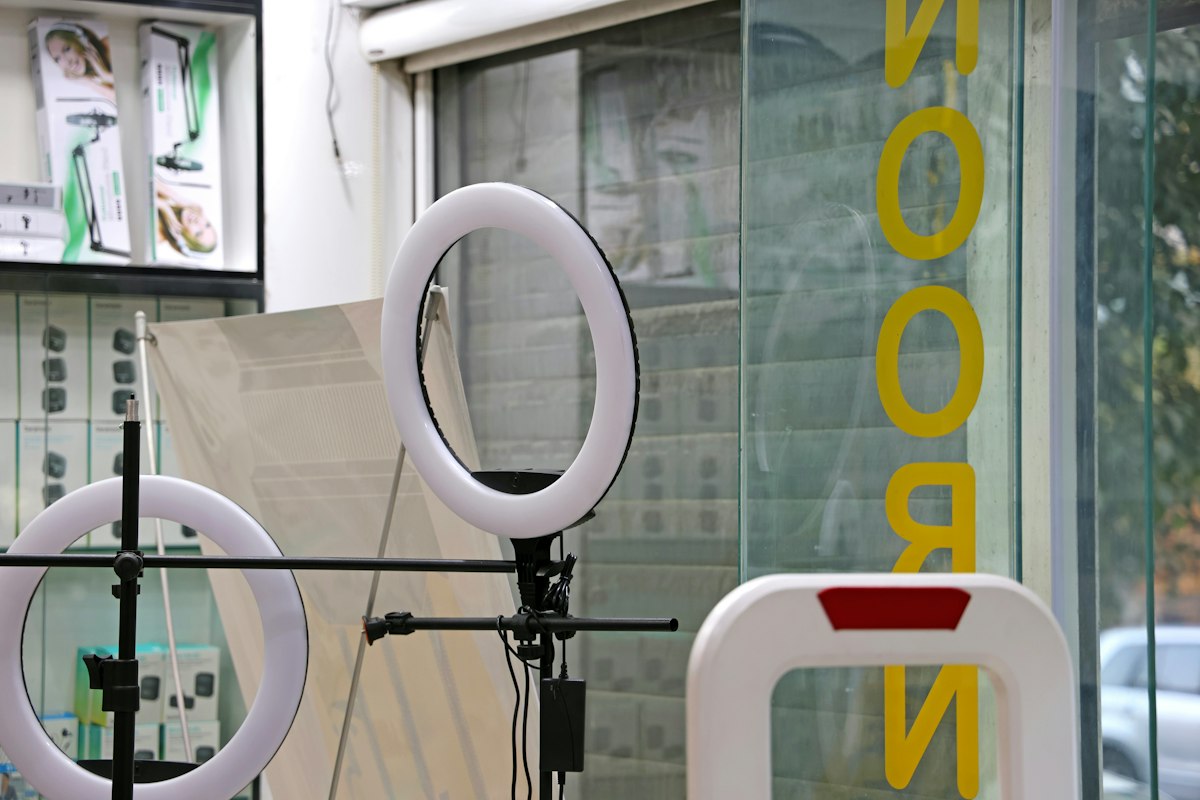
- Lighting & studio — strobes, continuous panels, modifiers, and backdrops, plus brands like Godox and Profoto-adjacent fixtures
- Audio — microphones, recorders, and mixers for shooters who have outgrown a camera's built-in mic
- Printers & film supplies — inkjets, photo paper, and actual film stock, a genuinely rare category in 2026
- Accessories — Manfrotto tripods, SanDisk cards, batteries, cages, and the endless small stuff
- Video and drones — DJI and GoPro alongside dedicated video bodies
- Used — a separate, substantial used inventory with its own trade and sell programs
Every location is open seven days a week with extended hours, which matters more than it sounds when you're comparing a Tuesday-evening purchase against a store that closes at six. And if you want to see what the shelves actually look like before you drive across town, you can browse the full Henry's catalogue online and confirm stock and pricing in a couple of minutes.
The Price Promise, decoded
Henry's headline promise is "We Won't Be Beat on Price," and the actual mechanics are more specific — and more useful — than the slogan suggests.
Under the Price Promise, if you find the same new, factory-sealed, same-make-and-same-model product cheaper at an authorized Canadian retailer, Henry's will beat that advertised price by 10% of the difference. Not 10% off. 10% of the gap. So if a competitor lists a body at CAD 2,500 and you found it at a competitor for CAD 2,400, the difference is CAD 100, and Henry's takes CAD 10 off that gap. It's a modest adjustment in isolation, but it stacks on top of whatever else you negotiated.
The fine print matters more than the headline, and it's worth reading before you count on it:
- New, sealed, same model only. Refurbished, used, and open-box goods are excluded, as are door-crasher deals, closeouts, auctions, and bundle or bonus offers.
- SanDisk products are excluded. A real carve-out, and worth remembering if your cart is mostly memory cards.
- Education pricing is excluded, which matters if you're a student — the student program is a separate discount entirely.
- You need the evidence. Bring the competitor's name, location, and current advertised price (plus the link, if buying online) to the purchase, or bring the same evidence and your original receipt to Customer Service afterwards.
- The window is 15 days from purchase — or 30 days if you bought with the Extended Life Plan.
Shipping, membership, and environmental handling fees are factored into the competitor's price, so a "free shipping" listing doesn't get to hide a delivery charge from the comparison. If you're buying online, take a screenshot of the competitor price before you click through; the whole claim depends on what was advertised at that moment.
The used-gear program most buyers never notice
This is the part of Henry's that genuinely has no clean online equivalent, and it's the reason many working photographers keep a relationship with the store rather than just running price checks.
Henry's runs two related programs: a Trade It, Upgrade It trade-in program that takes your current body or lens in and applies credit toward a new purchase, and a buying and selling program where you can sell your own used gear to them outright. The catalogue carries a dedicated Used section running alongside the new inventory.
There's a specific reason experienced shooters care: buying used from a retailer that also sells the item new and services it changes the risk calculus. A used body with a known return policy and a repair bench in the same organization is a meaningfully safer proposition than a used body from an anonymous classified ad. For anyone buying their first serious camera on a budget — or a second body to keep in the bag — that difference between "tested and warrantied" and "as-is" is the whole ballgame.
Service that a search box can't replicate
Henry's sells itself on "Imaging Experts," and the service infrastructure is the part that justifies the premium over a pure marketplace price:
- Repairs and warranties handled in-house, with manufacturer warranty processing
- The Extended Life Plan, an optional extended coverage program that also extends your Price Promise claim window from 15 to 30 days
- Financing at the point of sale
- Student pricing with dedicated education programs
- Commercial and B2B sales with consultation for studios, agencies, and institutional buyers
- Educational and government accounts served directly
- eGift Cards redeemable online or in store
If you shoot for a school, a hospital, a newsroom, or a production company, the commercial side of Henry's is a different business from the retail side, and it's the part least likely to be undercut by an online box.
Henry's Photo Centre
Retailers used to be print labs as well as stores, and Henry's still is. The Photo Centre handles passport photos, photo IDs, personalized photo books, calendars, and general printing. For anyone who needs a compliant document photo on a deadline, having a lab inside a retail chain is a real convenience — and a legacy that most competitors dropped years ago.
Where Henry's is not the right call
A review that only says "buy here" is an ad, not a review. Here's where a Canadian camera chain doesn't fit your situation:
If you're outside Canada. Prices are in Canadian dollars, and while many sellers now offer cross-border shipping, the landed cost — currency conversion, duties, brokerage, and the return leg — can erase any price advantage. Check the total delivered, not the sticker.
If you want the absolute lowest price and don't care about service. For a sealed, first-year, widely available kit body, a no-frills marketplace listing will sometimes win on raw price. The Price Promise closes much of that gap, but not always, and not on every product.
If you need same-day fulfillment on a hot launch item. Henry's is a chain with real inventory and real stores, but it isn't organized like a launch-day drop site.
If you're buying SanDisk. Excluded from the Price Promise, and worth comparing carefully on your own.
How to shop Henry's without overpaying
A few practical rules that anyone serious about photography would apply anyway, and that happen to work in your favour here:
- Price-match before you buy, not after. The 15-day claim window is a safety net, not a strategy. Check Adorama, B&H, Canada Camera, and KEH on the exact model before checkout, and screenshot what you find.
- Compare the all-in price. A $99 body at a competitor can cost $117 after shipping and fees, which is exactly the gap the Price Promise is built to measure.
- Don't skip the used section. A lightly used body with a full warranty can beat a new one by hundreds, and the store's trade program can offset part of the difference.
- Bundle deliberately. Excluded from the Price Promise, but bundles are sometimes the cheapest route to a complete kit — lens, extra battery, card reader, and a bag in one box.
- Free shipping kicks in at $149, which is low enough to make it a default rather than an upsell. It also means you can split a large order across a nearby store pickup if one is closer than the warehouse.
- Use the store. A demonstration unit, a lens actually mounted, and a person who can answer the compatibility question are all free. Seven-day-a-week hours make that practical.
The verdict
Henry's survived 1909, two world wars, a depression, a receivership, a 2020 restructuring, and the complete transformation of how cameras are bought — and it did it while remaining a Canadian family-run business, which is a genuinely rare combination in 2026 retail.
The honest criticism is small and mostly about scope: prices are in CAD, the Price Promise has real exclusions, and if all you need is the lowest possible number on a bare body, the internet will occasionally still win.
But for anyone building a real kit — or maintaining one — what Henry's offers is a combination that's increasingly rare: a deep catalogue that includes film and photo paper and studio lighting, a price promise with actual teeth, a used department with real warranty backing, repair capability, and staff who use the products they sell. The 20 stores are spread across Canada, and every one of them is open seven days a week.
For a company that started with four rolls of 8mm film, that's a good run.
Shop cameras, lenses and studio gear at Henry's
Disclosure: This article contains affiliate links. If you buy through them, Gosoftwarecity may earn a commission at no extra cost to you. Your price is unaffected. Prices and policies referenced were verified against henrys.com in October 2026.